Every sour tang in kimchi and every savory depth in miso comes down to the same thing: microbes eating your food's building blocks and leaving new molecules behind. Bacteria, yeasts, and molds each break down food components differently, and the compounds they produce—acids, alcohols, aromatic molecules—are what you taste. The good news for home fermenters? You can steer all of it with three levers: temperature, salt, and oxygen.
The Microbial Architects of Flavor and Texture
Here's the mental model I'd start with. Fermentation happens when microbes break down food components and create new flavors and compounds in the process—and, as Stanford Medicine's nutrition education team points out, food fermentation can happen with or without oxygen, which is one reason the same broad process produces such wildly different foods.
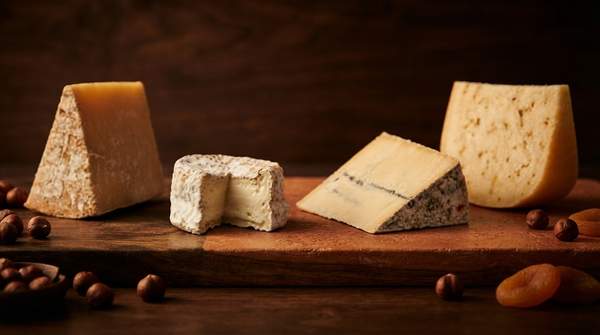
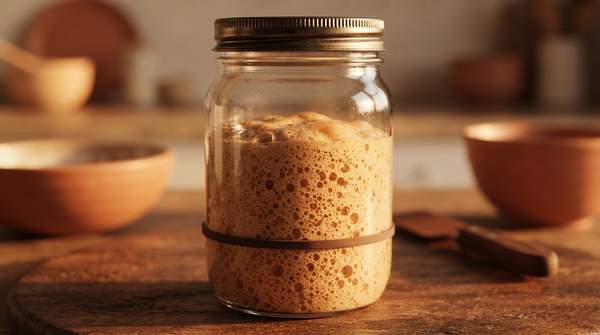
Who does the work depends on the food. Some ferments, like sauerkraut, rely on spontaneous communities of wild microbes already living on the raw ingredients. Others, like yogurt, use established starter cultures to keep the process predictable. A scientific review of traditional fermented foods identifies bacteria, mold, and yeast as the primary microbial species responsible for fermented foods across dairy, meat, soy products, fermented vegetables, and fermented wines.
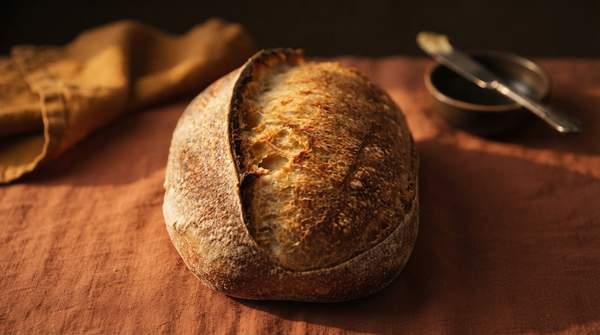
Within bacteria, the most common forms found in fermented foods are Bacillus, lactic acid bacteria, and acetic acid bacteria. Molds—particularly Aspergillus, Mucor, and Rhizopus—are widely used in the fermentation and enzyme industries. Yeasts like Saccharomyces cerevisiae dominate bread and brewing. Different starting microorganisms create different microbial systems, and that's exactly why a jar of kimchi and a tub of miso taste nothing alike.