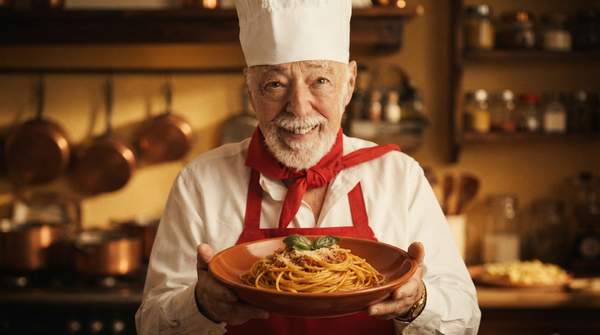
In the world of Italian cooking, the shape of the pasta is never an accident. Each of the hundreds of varieties, from long, slender strands to intricate, twisted forms, is a piece of culinary engineering designed with a specific purpose: to hold a particular type of sauce in the most delicious way possible. This principle of form following function is deeply rooted in Italy’s regional traditions, where local ingredients and classic recipes evolved alongside the pasta shapes best suited to them. A hearty, chunky sauce requires a pasta with the heft and structure to support it, while a light, silky sauce needs a shape that it can cling to without being lost in the bowl.
Understanding the logic behind these classic pairings is the key to elevating your home cooking from simply making pasta to creating a truly authentic and harmonious Italian dish. It’s about appreciating that the texture, size, and shape of the pasta are not just for show; they are fundamental to the dish's success. By exploring a few distinct regional examples, we can uncover the simple yet brilliant principles that govern these pairings, empowering you to choose the perfect pasta for any sauce with confidence.
Pasta Pairing Principles: A Comparative Guide
To see these principles in action, it helps to look at specific pasta shapes and the traditional sauces they are designed to accompany. Each shape’s unique characteristics—its surface texture, its ability to cup ingredients, or its sheer surface area—dictate its ideal match. The following examples from different Italian regions illustrate how pasta is masterfully designed to be the perfect vehicle for its sauce, a concept that culinary author Eleonora Baldwin notes allows one to create dishes "true to Italy’s culinary heritage."
From the rough-surfaced tubes of the Veneto to the hollowed-out shapes of Molise, each pasta tells a story about its local cuisine. Bigoli, for instance, are thick, tubular noodles whose history is tied to a special press invented in Padua in 1604. According to Baldwin, this device, the bigolaro, gives the pasta a uniquely rough surface. This texture is the key to its classic pairing; it creates friction, allowing slippery, liquid-based sauces to cling tenaciously to each noodle. The traditional Venetian dish of bigoli in salsa, made with onion and anchovy, is a perfect example of this synergy, where a simple sauce is made extraordinary by its perfect pasta partner.
In contrast, the wide, flat ribbons of tagliatelle from Emilia-Romagna are built for substance. Their significant surface area is the ideal canvas for a rich, heavy meat sauce. A classic tagliatelle al ragù demonstrates this principle perfectly. The broad noodles are strong enough to stand up to the weight of the sauce, and their flat shape ensures that a generous amount of the rich ragù is captured with every forkful, creating a balanced and satisfying bite every time.
Twisted shapes, like fusilli, serve yet another function. Their helical structure creates a series of nooks and crannies along the pasta's length. This intricate design is exceptionally effective at trapping sauces with fine or small-chunk ingredients. Whether it's a pesto, where the fine particles of basil and cheese get caught in the spirals, or a sauce with small pieces of vegetables or ground meat, the twists ensure that the sauce and its components are evenly distributed throughout the dish, rather than pooling at the bottom of the plate.
Finally, some shapes are designed to act like tiny edible spoons. Cavatelli, whose name means "little hollows," are a prime example from the Molise region. These small pasta shapes are formed by dragging dough across a surface, creating a concave center. This hollow is perfect for scooping up and holding chunky sauces, such as a hearty meat ragù or a sauce with vegetables like turnip greens. Each piece of cavatelli becomes a self-contained parcel of pasta and sauce, delivering a complete burst of flavor.
| Pasta Shape (Region) | Key Characteristic | Sauce Pairing Principle | Classic Regional Dish |
|---|---|---|---|
| Bigoli (Veneto) | Thick, tubular noodles with a distinctively rough surface. | The rough texture helps slippery or thin sauces, like those based on oil or anchovy, cling effectively to the pasta. | Bigoli in Salsa, a sauce of onion and anchovy. |
| Tagliatelle (Emilia-Romagna) | Long, flat, and wide ribbon-like noodles. | The wide, flat surface area is ideal for rich and heavy meat sauces, allowing the substantial sauce to coat each strand. | Tagliatelle al Ragù, a classic slow-cooked meat sauce. |
| Fusilli (Southern Italy) | A short, twisted, spiral-shaped pasta. | The tight twists and crevices are excellent for trapping chunky sauces, small ingredients, or fine pestos. | Not specified in provided materials. |
| Cavatelli (Molise) | Small, hollowed-out pasta shapes. | The "little hollows" are perfect for capturing and holding chunky sauces, such as meat ragù or sauces with vegetables. | Meat ragù or turnip greens. |
Cook with Confidence: Your Next Authentic Italian Meal
The thoughtful relationship between pasta and sauce is a cornerstone of authentic Italian cuisine. It’s a tradition built on achieving a perfect harmony where neither element overpowers the other, but instead, they work together to create a cohesive and flavorful dish. A successful pairing is one where the sauce clings to the pasta all the way from the plate to your mouth, ensuring that every single bite is as delicious as the last. This is the difference between simply eating pasta and truly experiencing an Italian meal as it was meant to be.
The next time you find yourself in the pasta aisle, take a moment to think beyond simple preference. Choose pasta shapes intentionally based on sauce texture and regional tradition to elevate your home cooking. When you prepare a dish where the sauce adheres perfectly to the chosen pasta shape—a rich ragù coating every ribbon of tagliatelle or a chunky vegetable sauce cupped in each piece of cavatelli—you will have captured the essence of Italian culinary wisdom. This thoughtful approach is the key to creating a meal that feels both authentic and deeply satisfying.