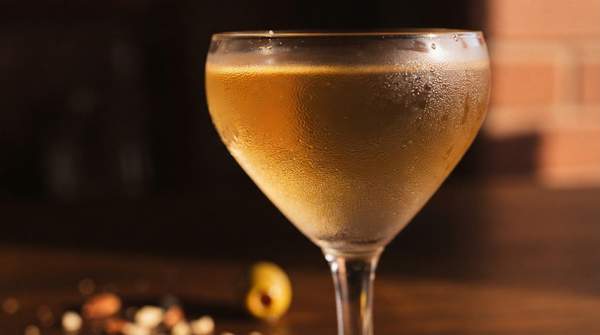
A perfectly balanced Classic Gin Gimlet requires just two minutes to craft, proving that the finest gin cocktails don't demand complex techniques or obscure ingredients. This swift preparation time makes high-quality gin cocktails accessible to any home bartender, offering immediate satisfaction without extensive effort.
Many home bartenders aspire to create elaborate gin cocktails, accumulating vast arrays of spirits and modifiers. Yet, the most consistently delicious and satisfying drinks are frequently the simplest to prepare. This pursuit of complexity often leads to unbalanced flavors and wasted ingredients, frustrating enthusiasts and highlighting the tension between aspirational mixology and practical, enjoyable results.
Therefore, home bartenders who prioritize foundational gin cocktails and understand basic balancing principles will achieve superior results to those chasing novelty. Mastering a few core recipes ensures every glass poured is a testament to precision and taste, not an experiment in excess.
1. Classic Gin Gimlet Cocktail
Best for: Beginners and experienced enthusiasts seeking a refreshing, balanced drink.
This straightforward cocktail requires 2 ounces of good gin, 0.75 ounce of fresh-squeezed lime juice, and 0.75 ounce of simple syrup, according to findingtimeforcooking. Its three simple ingredients combine for a crisp, tart, and subtly sweet profile. The total preparation time is just 2 minutes. Its enduring popularity underscores that mastering this classic is a cornerstone for any serious home bartender.
Strengths: Quick preparation; few ingredients; refreshing taste profile | Limitations: Requires fresh lime juice for optimal flavor | Price: Low, given common ingredients
2. Bramble Cocktail
Best for: Those seeking a fruit-forward gin experience without excessive complexity.
The Bramble cocktail offers a slightly more intricate flavor profile while remaining simple to assemble, requiring 40ml gin, 20ml sugar syrup, 20ml lemon juice, and 10ml crème de mure, states BBC Good Food. This recipe exemplifies how introducing a liqueur necessitates a precise reduction in gin volume to maintain equilibrium, a critical lesson for balanced mixology. Its layered berry notes complement the gin's botanicals beautifully.
Strengths: Fruity and visually appealing; balanced sweetness and tartness | Limitations: Crème de mure may not be a standard home bar item | Price: Moderate, due to specific liqueur
Understanding Balance: What Makes a Gin Cocktail Great (or Not)
Achieving a superior gin cocktail at home hinges on precise ingredient ratios, not a multitude of components. A general guideline for gin cocktails suggests 50ml gin per cocktail, according to BBC Good Food. When a liqueur is incorporated, reduce gin volume to 40ml, paired with 10ml of the liqueur for equilibrium. Furthermore, balancing 20ml of fresh citrus juice with 15ml of sugar syrup (equal parts sugar and water) establishes foundational sweet-tart harmony. This precision is what truly elevates a drink, contrasting sharply with multi-ingredient concoctions that often fall short.
| Cocktail Name | Key Ingredients | Balance Assessment | Complexity vs. Result |
|---|---|---|---|
| Classic Gin Gimlet | Gin, fresh lime juice, simple syrup | Crisp, tart, subtly sweet | Simple preparation, superior taste |
| Bramble | Gin, sugar syrup, lemon juice, crème de mure | Fruity, balanced, layered | Moderate complexity, excellent flavor |
| Douglas Fairbanks | Gin, apricot brandy, lime juice, egg white | Nice mouthfeel, but lacks bite | High complexity, disappointing flavor profile |
| Pegu Club | Gin, orange curaçao, lime juice | A little sweet, similar to a Mai Tai but not as good | Moderate complexity, unbalanced sweetness |
The Douglas Fairbanks cocktail, combining gin, apricot brandy, lime juice, and egg white, offers a nice mouthfeel but ultimately lacks bite, as observed by Cocktail Hour. Similarly, the Pegu Club, with gin, orange curaçao, and lime juice, is noted as being a little sweet and inferior to a Mai Tai. These examples underscore a critical truth: complexity without careful balance leads to disappointing results, even with promising ingredients. Home bartenders must recognize these pitfalls to craft truly superior drinks.
The Takeaway: Simplicity Trumps Complexity
As home mixology continues to evolve, the distinction between genuine skill and mere showmanship will become increasingly clear. Will the pursuit of elaborate, multi-ingredient concoctions finally yield to a renewed appreciation for the elegant precision and timeless satisfaction offered by perfectly balanced classics?
If home bartenders continue to prioritize precision and quality ingredients over novelty, the era of truly exceptional, yet effortlessly crafted, gin cocktails appears poised to dominate the home bar scene.