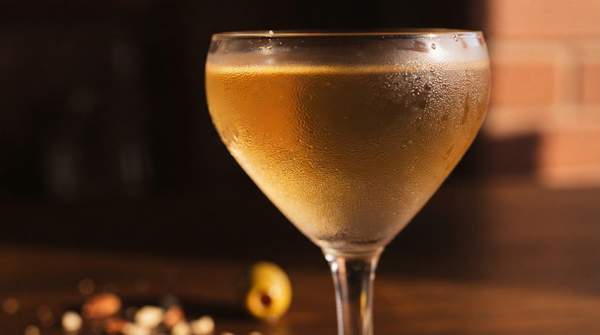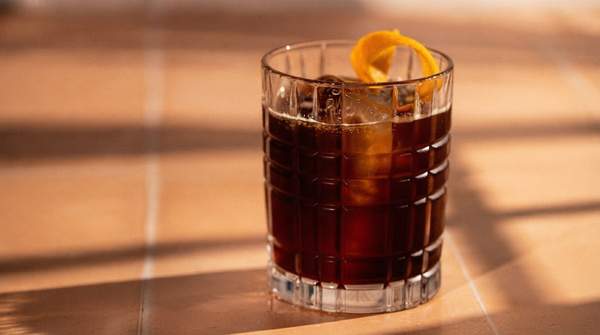
The growing market for premium, small-batch bottled cocktails has brought the craft bar experience into the home, offering sophisticated drinks with unmatched convenience. For those looking to stock their bar for entertaining, two popular but profoundly different options often emerge: the classic, spirit-forward Old Fashioned and the rich, contemporary Espresso Martini. The choice between these two cocktails is a choice between distinct moods and flavor philosophies. One is a celebration of aged whiskey, designed for slow sipping and contemplation, while the other offers a vibrant, coffee-driven indulgence. Understanding their fundamental differences in base spirits, flavor profiles, and ideal serving methods is the key to selecting the perfect ready-to-drink cocktail for your taste and occasion.
What Makes a Bottled Cocktail Premium?
In the expanding world of ready-to-drink beverages, the distinction between a standard mixer and a premium cocktail lies in the quality and transparency of its ingredients. The most critical component, as an analysis from Meticulous Mixing explains, is the base spirit, which is the "main ingredient" and will "have a strong impact on the finished drink." High-end bottled cocktails are not made with generic, unidentifiable alcohol; instead, they are crafted with specific, often named, premium spirits. This commitment to a quality foundation is a hallmark of craftsmanship and directly translates to the final taste in the glass.
For a cocktail like the Old Fashioned, whose entire purpose is to complement and elevate its base, the choice of spirit is paramount. According to Meticulous Mixing, the drink is traditionally built on bourbon or rye, and using any other spirit fundamentally changes its identity into something else, like a "Rum Old Fashioned." A premium bottled version will therefore use a quality whiskey that provides the complex notes of oak, vanilla, and spice that connoisseurs expect. Conversely, for a cocktail like an Espresso Martini, a premium vodka like Ketel One provides a smooth, clean canvas that allows the rich coffee and liqueur flavors to take center stage without being overshadowed by harsh alcohol notes. Ingredient transparency is not just a marketing point; it is a promise of quality and a guide to the flavor profile you can anticipate.