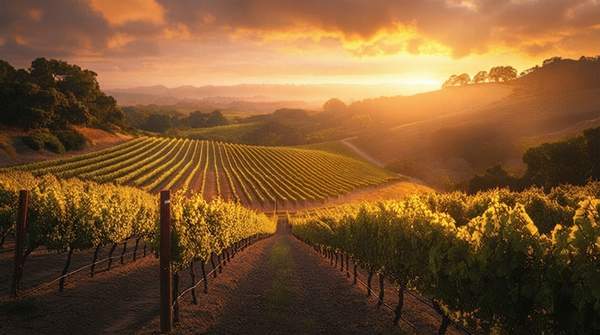
Terroir, the French term wine lovers translate as "a sense of place," is far more than a synonym for dirt. It is the combined fingerprint of climate, terrain, soil, and human decisions on a wine's flavor, aroma, and structure. Understanding these four components—and how they interact—turns terroir from vague romance into something you can actually detect in the glass.
What is Terroir? A Sense of Place in Wine
There is no official definition of terroir, but as wine investment specialist Cult Wines explains, it is "a widely accepted phrase among wine aficionados when it comes to describing a wine's particular qualities," generally hinging on temperature, climate, soil composition, and topography such as slopes and elevation. The Burgundian winemaking tradition treats this sense of place—soil, climate, viticulture practices, and topography—as what you taste whenever a bottle is opened and poured, a philosophy Sonoma-Cutrer's Bess Kennedy describes as central to each estate vineyard producing its own distinct expression.
A scientific overview published in OENO One frames terroir as the interaction of three main components: the physical environment (climate, topography, geology and pedology), the biological material (rootstock, variety and soil biodiversity), and the cultural, socio-economic and political issues on which human activities act to achieve the expression of terroir. For practical tasting purposes, this resolves into four working categories: climate, terrain, soil, and human influence.
Climate: The Vine's Weather Report
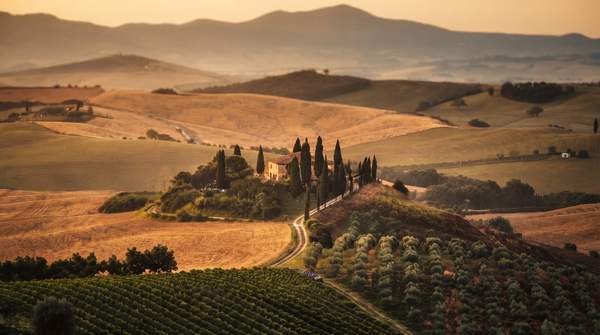
Climate operates at nested scales. Wikipedia's overview of the concept breaks the interaction of climate and terroir down from the macroclimate of a larger area such as Burgundy's Côte de Nuits, to the mesoclimate of a subsection like the village of Vosne-Romanée, and finally to the microclimate of a particular vineyard or even a single row of vines. These climatic factors are fundamental to the vine's physiological processes, governing ripening, acidity, and sugar accumulation.
Temperature is only the start. Cult Wines notes that rainfall, humidity, wind, frost, hail, and sunlight all play major roles: sunlight is necessary for grapes to produce sugar, but too much can cause sunburn, while rain is vital for vine growth but excessive rain can promote disease and dilute flavors. In cooler conditions, expect higher acidity, lower sugar levels, and a lighter body, yielding dry, refreshing wines.
Terrain: The Lay of the Land
Terrain encompasses altitude, slope, aspect, geological features, surrounding flora, and proximity to large bodies of water. Wine Folly's Madeline Puckette highlights altitude as an increasingly important focus for quality vineyards, pointing to Mendoza, Argentina, where vineyards sit around 4,000 feet above sea level. The high elevation gives Malbec heightened acidity thanks to cool nighttime temperatures—a direct causal link between a terrain feature and a taste characteristic. Steep slopes can similarly reduce water retention and increase sun exposure, reshaping how a vine ripens its fruit relative to a flat valley floor.
Soil: The Foundation of Flavor
Soil composition—clay, sand, rock—and its biological activity regulate water availability, nutrient uptake, and root development, and soil type directly affects vine vigor and grape concentration. Wiens Cellars notes that the presence of certain minerals or organic compounds in soil can directly affect vine health and the flavor compounds in grapes, and that researchers study soil microbial communities to understand these links. The OENO One overview adds that human actions such as land reshaping and soil preparation alter vine development through their impact on vine water and nitrogen status—meaning soil is not a static ingredient but a medium actively shaped by cultivation. The article's scope here is conceptual, not a deep scientific dive into soil chemistry.
Human Influence: The Winemaker's Touch
Human factors enter terroir through both viticulture and vinification. According to Wikipedia, the choice of which grape variety to plant is a human decision, though whether that variety produces quality wine in a given site is an innate element of terroir that may lie beyond human control. The choice between wild or ambient yeast and cultured laboratory yeast in fermentation can itself be a reflection of terroir. Oak is more controversial: some winemakers argue it brings out natural terroir characteristics, while others contend it masks them.
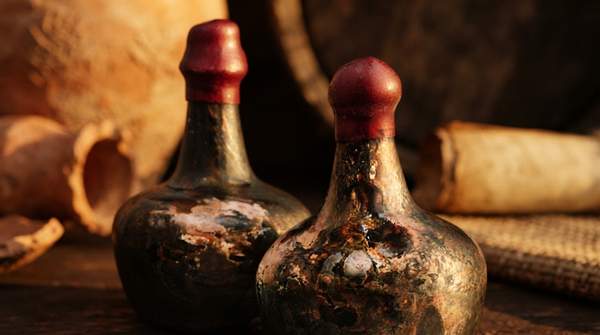
Tradition matters too. Puckette observes that ancient winemaking methods tend to be highly dependent on a region's climate, soil, and terrain—citing Madeira, where halting fermentation early, fortifying with brandy, and aging barrels outdoors under the sun yields the wine's classic roasted, nutty flavor. The OENO One overview agrees that human activities strongly influence wine characteristics but are themselves ultimately dependent on the local environment, and can even modify the environmental system itself.
Understanding Terroir: An Explanatory Model
Use the framework below to categorize the influences behind any wine you taste: identify the component, locate the specific factor, and trace the causal link to a characteristic you can perceive in the glass.
| Component | Specific factors | Effect on the wine |
|---|---|---|
| Climate | Macro-, meso-, and microclimate: temperature, rainfall, sunlight, wind, frost | Dictates ripening, sugar levels, and acidity; cooler conditions yield higher acidity and lighter body |
| Terrain | Altitude, slope, aspect, geology, surrounding flora, water bodies | Altitude cools nights and heightens acidity, as in Mendoza Malbec; steep slopes cut water retention and boost sun exposure |
| Soil | Composition (clay, sand, rock), nutrients, microbial life | Regulates water and nitrogen status, driving vine vigor and grape concentration |
| Human influence | Variety selection, pruning, canopy management, yeast choice, oak, tradition | Either expresses terroir—ambient yeast, site-matched varieties—or masks it, as oak arguably can |
The Dynamic Dance: How Terroir Components Interact
The clearest way to see that terroir is a system rather than a list is altitude. Terrain modifies climate's impact on grapes: in Mendoza, elevation creates cooler nighttime temperatures, which preserve Malbec's acidity while daytime sun ripens the fruit. Terrain, climate, and the resulting wine style are inseparable in that single glass.
The same grape grown under different climates illustrates the human–environment interaction. Wiens Cellars contrasts Cabernet Sauvignon's herbal undertones in cooler climates with the lush, ripe fruit of warmer regions—the same variety, transformed by climate, with the grower's decision to plant it there completing the picture. Clare Valley Riesling offers a third example: the region's warmer climate produces Riesling that is riper and more full-bodied, with intense citrus and peach flavors, while still maintaining crisp acidity that keeps the style distinctively refreshing.
Finally, humans reshape the environment itself. Soil preparation and land reshaping alter vine water and nitrogen status, meaning human actions on soil can significantly change how the vine interacts with its ground. Human decisions can emphasize or mitigate climatic influences—meaning terroir is a complex system, not just a sum of its parts.
Appreciating the 'Sense of Place' in Your Glass
When tasting wine, consider the interplay of climate, terrain, soil, and human influence to understand its unique characteristics. The measurable indicator of that understanding is the ability to articulate the specific terroir components contributing to a wine's flavor profile: next time you taste a high-acid red or a riper-than-expected Riesling, name the factor—cool nights at altitude, a warmer regional climate—that plausibly explains it, and you will have moved from enjoying a wine to reading its place of origin.
Sources
- What is terroir and how does it affect wine? — Cult Wines
- The Philosophy of Terroir — Sonoma-Cutrer
- Terroir analysis and its complexity — OENO ONE
- Terroir - Wikipedia — EN
- Terroir Definition for Wine — Wine Folly
- Exploring Wine Terroir: A Sense of Place in Winemaking - Wiens Cellars — Wiens Family Cellars