The three most common Western service styles—Plated (often called American service), Family-style, and Buffet—differ in one fundamental way: who controls the food. In plated service, the kitchen composes and the server delivers; in family-style, large shared platters land in the middle of the table and guests take over; at a buffet, guests serve themselves entirely at their own pace. Those mechanics drive everything a diner notices: formality, conversation flow, how long the meal takes, and even the shape of the bill. This guide breaks down each style and ends with a comparison you can use before booking.
Plated (American) Service: Precision and Formality
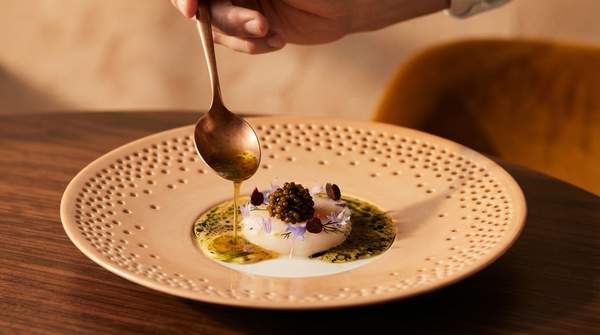
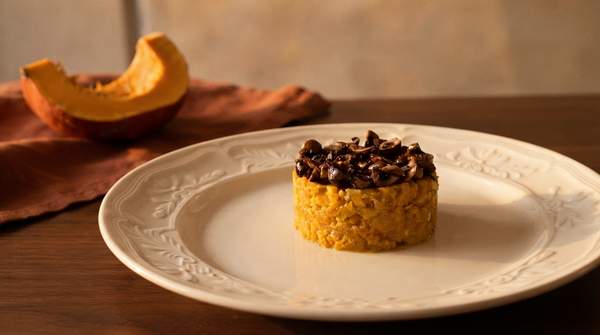
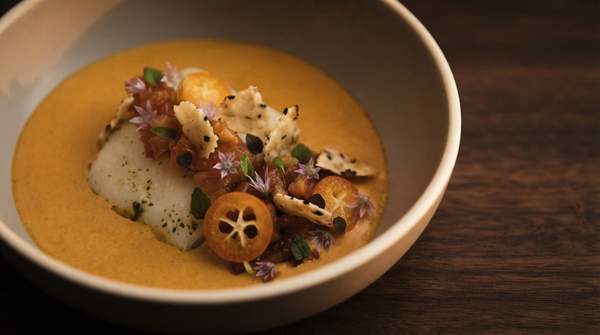
Plated service is the closest thing to a classic restaurant experience, as one catering comparison puts it: each guest receives a composed plate, portioned and presented by the kitchen, with the chef controlling every detail—the arrangement of the protein, the placement of the sauce, the garnish. A typical structure includes three courses: appetizer or salad, entrée, and dessert, each plated in the kitchen and served individually by waitstaff.
What you feel as a diner is control. The meal unfolds in a deliberate sequence, and event coordinators value that pacing because it keeps a timeline—speeches, toasts, programming—on track. The trade-offs are real, though. Mara Brown, writing for Catering by Design, notes that plated dinners require advance entrée selection, offer less guest customization, and can be tricky for guests with lots of dietary restrictions. One wedding-planning guide adds that last-minute dietary changes are hard to accommodate and that guests typically commit to a meal choice weeks in advance.
Family-Style Service: Communal and Engaging
Family-style service flips the dynamic. A culinary-management textbook defines it as food served in large portions on platters or in bowls for guests to share and serve themselves. Instead of individual plates arriving in sequence, large platters land in the center of the table and are passed around. The meal becomes participatory: you serve your neighbors, your neighbors serve you, and the table itself becomes the engine of the evening.
That mechanics explain why the style feels social and inviting, as event-catering writers describe it. Pacing is relaxed and self-directed by the guests, which usually makes for a longer, more leisurely, more conversational meal. The style suits celebratory gatherings—birthday dinners, family occasions, rehearsal dinners—where the point is connection as much as cuisine. The main constraints are logistical: shared dishes need table space, and guests with strong dietary restrictions have less control over what touches their food than they would with an individually plated meal.
Buffet Service: Variety and Flexibility
Buffet service concentrates all the food at a central station, and guests serve themselves from a selection of prepared dishes, usually at a fixed price. Industry descriptions emphasize two features diners notice most: variety—everyone chooses exactly what and how much they want—and flexibility, since there's no advance entrée commitment and guests can navigate around allergies or preferences on the spot.
Operationally, it's the most efficient format for large groups, which is why buffets cluster in hotels, resorts, and conference venues where breakfast, all-day dining, or event catering demands high volume. That efficiency typically translates into the lowest per-person cost of the three styles, though a buffet can require more food, equipment, and floor space than its counterparts. As a diner, expect movement: you'll leave the table, queue, and return, which makes the meal less formal but more self-directed in both selection and speed.
Service Style Comparison for Diners
The table below compares the three styles across the dimensions that actually shape your evening: how food arrives, how much you interact with it and with staff, how the meal is paced, cost implications, and what occasions each suits. The cost column reflects a general pattern noted across catering sources—plated service tends to cost more per person due to extensive staffing, and buffets typically carry the lowest per-person price—while the complete cost always depends on menu, guest count, and staff hours.
| Service Style | How Food is Served | Guest Interaction | Pacing | Typical Cost Implications | Best For |
|---|---|---|---|---|---|
| Plated (American) | Individually composed plates served by waitstaff, chef-controlled presentation | Minimal handling; courses brought to you, often with advance entrée selection | Controlled, structured sequence that supports speeches and programming | Often the highest per person due to more service staff; full cost depends on menu, guest count, and staff hours | Formal weddings, galas, black-tie events |
| Family-style | Large shared platters and bowls placed centrally on the table | High; guests pass dishes and serve each other | Relaxed and self-directed, encouraging a longer social meal | Can involve both significant labor and higher food quantities; full cost depends on menu, guest count, and staff hours | Celebratory and communal meals, family gatherings |
| Buffet | Guests self-serve from a central station, usually at a fixed price | Guests handle their own selections; little table service for food | Guest-controlled; queues set your own rhythm | Typically the lowest per-person cost; may need more food, equipment, and floor space | High-volume events, networking lunches, casual occasions |
Choosing the Right Style for Your Occasion
Match the style to three questions: How formal is the event? How many guests? What atmosphere do you want? Formality is the primary filter—Catering by Design recommends plated dinners for formal weddings, galas, and black-tie events, where the polished presentation and controlled pacing feel intentional and elevated. For networking lunches where guests circulate rather than sit, DiningRated's guide suggests a buffet is the right fit, since it lets people eat on their own schedule.
Guest count matters as a cost lever. For events under about 20 people, the cost difference between styles is modest; above roughly 75 guests, staffing savings from a buffet over plated service become significant. Guest counts of 80 to 200 are where plated service is often said to shine despite its staffing cost. Family-style sits in the middle: more communal than plated, more seated than buffet, with higher food quantities and real labor for serving and clearing shared dishes.
Making an Informed Choice for Your Dining Experience
Diners should choose a restaurant service style by considering the event's formality, the number of guests, and the desired atmosphere to ensure a positive and culturally appropriate dining experience. One practical safeguard from DiningRated's advice applies to any booked event: "full-service catering" can mean plated, buffet, or family-style depending on the vendor, so get the format confirmed in writing alongside the per-person price. The measurable indicator of a good choice is the diner's comfort and engagement with the meal service—a match between expectations and the chosen style. If the room feels rushed when you wanted conversation, or trapped at a table when you wanted to circulate, the mismatch, not the food, is the problem.
Sources
- Wedding buffet vs. plated vs. family style — Exqdelites
- Wedding Catering Styles: Plated vs Buffet vs Stations — Theperfectwedding
- Nicoletcollege
- \r\n \n Wedding Catering Styles Explained: Plated, Buffet, Stations or Family-Style?\n \r\n — MYCHEF
- Restaurant Service Styles Explained for Diners - DiningRated
- Family-Style vs. Plated vs. Buffet vs. Stations — Catering by Design