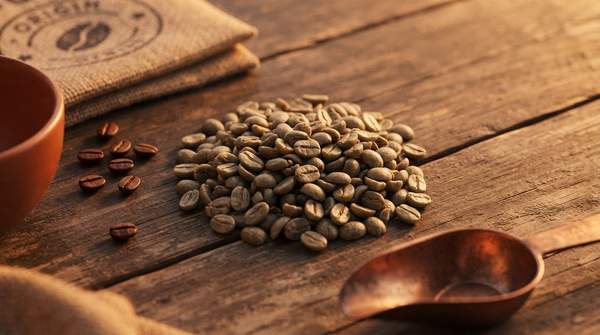
Light, medium, and dark roasts are not three different beans. They are the same green coffee, pushed to different points along one chemical timeline. Roasting drives the bean through drying, the Maillard reaction, caramelization, and—on the dark end—changes associated with pyrolysis, and each stage hands the next one a different set of raw materials for flavor. Understanding that sequence explains why a light roast tastes bright and fruity while a dark roast tastes smoky and heavy, and it gives you a practical basis for choosing beans and adjusting your brew.
The Journey from Green Bean to Roasted Delight: An Overview
Green coffee beans are dense, moist, and largely flavorless in the sense coffee drinkers recognize. Roasting is the act of transforming them through heat to develop flavor and aroma, as Stumptown Coffee puts it. Producers place the raw beans in a roaster at around 400 degrees, and how long the bean spends in that drum dictates whether it emerges light, medium, or dark.
Roasting removes moisture from the bean, allowing sugars to caramelize and flavor to develop. Sucafina's roasting specialist Joseph describes the process in three reaction stages: drying, browning (which encompasses the Maillard reaction and caramelization), and development, which begins at first crack. First crack is the point where built-up steam is released from the bean and the main development time starts—around the 9-to-10-minute mark in a typical roast, according to Stumptown. It is also the moment when roasters can begin to control the coffee's flavor and acidity in earnest.
The critical insight is that these stages are cumulative. How long a roast stays in each reaction stage shapes the end result, because the compounds formed early—acids, sugars, and aroma precursors—are the same compounds consumed or transformed later. A roaster is not choosing between flavors so much as deciding how far along a single chain of reactions to let the bean travel.