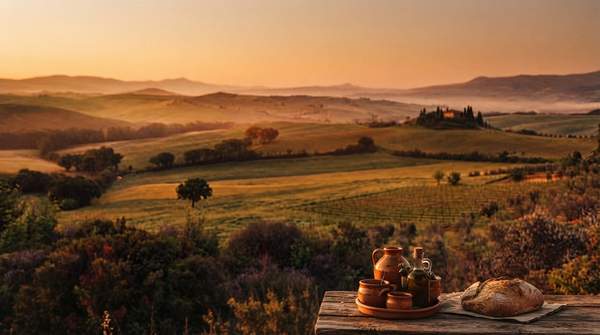
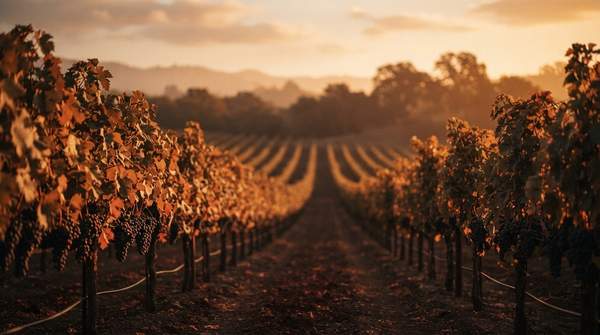
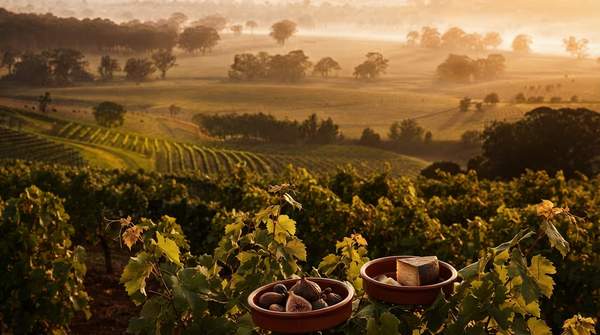
French vineyards experienced temperatures as high as 44°C during a June heatwave, pushing traditional winemaking to its absolute limits, according to The Drinks Business. Such extreme heat stresses grapevines, accelerating ripening and altering the delicate balance of sugars, acids, and phenolic compounds essential for quality wine. Such extremes demand urgent adaptation from European winemakers, particularly as 2026 approaches.
European vineyards are facing unprecedented climate extremes and shifts in grape composition, but the legislative response primarily offers financial aid and market flexibility rather than directly addressing the underlying climatic pressures. Italy recorded 376 extreme climate events in 2025, including heatwaves, droughts, hailstorms, and floods, as reported by Vinetur.
While the EU provides a critical safety net, the long-term viability of many traditional European wine regions will depend on innovative agricultural practices and a deeper commitment to climate resilience that extends beyond current legislative measures. Grape harvests have advanced by 2–3 weeks over the past 40 years globally, modifying grape composition and wine quality and style, according to Nature. Wine grape harvests in France and Switzerland began shifting dramatically earlier during the latter half of the 20th century, a trend documented by Science NASA. These rapid and intense climatic shifts fundamentally alter the terroir and traditional practices that define European winemaking, demanding urgent adaptation.
A Legislative Lifeline for Struggling Vineyards
Parliament approved new legislation to enhance protection and support for European wine producers by 625 votes to 15 with 11 abstentions, according to the European Parliament. This framework directly responds to the financial and operational pressures winemakers face from climate change and evolving market dynamics.
Winegrowers will receive additional support for severe natural disasters, extreme weather, or plant disease outbreaks under these new provisions, the European Parliament states. This reactive aid aims to mitigate immediate losses from acute crises. Crucially, the legislation also empowers Member States to use EU funds for 'grubbing up' wine production, with national payment ceilings for distillation and green harvesting set at 25% of global funds, as reported by the European Parliament and European Commission. This provides critical financial and structural support, enabling producers to manage market surpluses and mitigate losses from extreme weather. European winemakers are being subtly nudged towards a future where 'traditional' wine might be a luxury, and market flexibility, including the production of alcohol-free alternatives, becomes a primary survival strategy.
Beyond Financial Aid: The Deeper Challenge of Adaptation
A study assessed the climate change vulnerability of 1085 European PDO wine regions using an index-based approach considering exposure, sensitivity, and adaptive capacity, according to Nature Communications. While legislative support offers financial relief, it cannot overcome the inherent biological limits and vulnerabilities of specific grape varieties and regional terroirs.
Winemakers typically aim to ferment red wines at temperatures not exceeding 85-90F and white wines under 50F, according to Forbes. The rapid acceleration of harvest dates by 2–3 weeks over 40 years, combined with extreme heat events like 44°C in French vineyards, makes maintaining these traditional fermentation temperatures increasingly difficult. Such conditions demand fundamental shifts in winemaking practices or styles.
The inherent vulnerability of many traditional PDO regions and the biological constraints of winemaking processes reveal that legislative aid, while crucial, only addresses part of the complex adaptation challenge. The dramatic acceleration of harvest dates, combined with record heatwaves, means the very definition of 'terroir' in European winemaking is undergoing an irreversible transformation, challenging centuries of tradition and potentially altering global wine preferences.
Adapting to New Tastes: The Rise of Alcohol-Free Wines
New rules clarify labeling for alcohol-free wines, allowing "alcohol-free" for products not exceeding 0.05% alcohol-by-volume, as stated by the European Parliament. This regulatory update supports an industry pivot, diversifying product offerings in response to evolving consumer preferences for lower-alcohol options and the practicalities of climate-affected grape composition. Simultaneously, the EU funds 'grubbing up' wine production, allowing member states to remove vines for surplus prevention. This dual approach reveals a stark reality: some European vineyards are already deemed economically unsustainable, forcing a strategic retreat and market diversification rather than solely focusing on preserving existing, traditional wine production against climate impacts. This signifies an industry adapting to both evolving consumer health trends and climate-induced changes in grape composition.
The Future of European Wine: Resilience Through Innovation
Products with strength above 0.5% but at least 30% lower than standard strength will be labeled "alcohol reduced," according to the European Parliament. This regulatory foresight into reduced-alcohol products reveals a strategic long-term vision for the European wine sector, balancing tradition with market demands and climate realities.
The EU's focus on 'grubbing up' and new low-alcohol labeling suggests a strategic pivot towards managing market surplus and adapting to changing consumer trends, rather than a direct investment in climate-resilient viticulture for existing vineyards. This implies a future where market flexibility and product innovation are prioritized alongside, or even over, the strict preservation of historical terroir.
The long-term consequences for European winemaking point towards a blend of policy-driven adjustments and viticultural innovation. By 2028, the regions most resilient to these climatic and market shifts will be those that have embraced both legislative support for adaptation and diversified their product lines to meet new consumer demands, ensuring a varied future for European wine.