A restaurant sommelier is best understood as holding two jobs at once. Behind the scenes, they run a business: managing cellar inventory, curating the wine list, and keeping the beverage program profitable. In the dining room, they are a guest guide: recommending pairings, serving wine properly, and translating a diner's vague preferences into a bottle worth drinking. Understanding that split is the key both to appreciating the profession and to getting a better recommendation the next time you dine out.
Introduction: Beyond the Wine List
The popular image of a sommelier is a single scene: someone gliding between tables offering confident recommendations. The reality is broader. A sommelier is a trained wine professional who specializes in wine service, thoughtful selection, and guiding diners through pairings — a demanding role that many industry bodies consider strategically on par with that of the head chef, as one hospitality guide puts it. The Court of Master Sommeliers Americas frames the stakes plainly: wine selection is critical to a restaurant's success, and exciting wines on a list are not enough — they also need to sell. The profession's connecting thread, as the Wine International Association describes it, is the ability to translate taste into confidence for others.
The Sommelier's Dual Role: Business Manager and Guest Guide
The clearest way to grasp the job is to sort its duties into two domains. The table below organizes the responsibilities described across the profession's own accounts into back-of-house business operations and front-of-house hospitality.
| Domain | Responsibility | What It Involves |
|---|---|---|
| Back of House: The Wine Program Manager | Cellar management | Tracking deliveries, storage, stock levels, and inventory so the right wines are available to guests. |
| Back of House: The Wine Program Manager | Wine list curation | Selecting wines that complement the cuisine and cater to diverse customer tastes, working alongside the culinary team. |
| Front of House: The Guest Experience Guide | Wine pairing recommendations | Suggesting wines that complement the dishes a guest has chosen. |
| Front of House: The Guest Experience Guide | Table-side wine service | Opening and decanting wine, serving at correct temperature, and ensuring proper glassware and presentation. |
| Front of House: The Guest Experience Guide | Guest communication | Understanding a guest's preferences, budget, and desired experience. |
The two domains are inseparable in practice. A cellar that is poorly stocked or a list that ignores the kitchen's food makes good pairing recommendations impossible; the back-of-house work is what makes the front-of-house guidance trustworthy.
The Sommelier as Business Manager: Back-of-House Operations
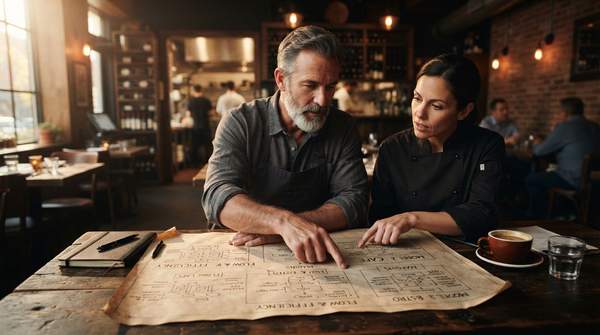
The business half of the role is largely invisible to diners. Le Cordon Bleu's career guide describes sommeliers as managing cellars to keep track of deliveries, wine storage, and stock levels. The Court of Master Sommeliers Americas notes that in some establishments this extends to purchasing decisions and inventory management, ensuring the right wines are available to guests. Curation is equally strategic: sommeliers stay on top of trends to select wines that complement the restaurant's cuisine and cater to diverse customer tastes, and they work alongside the culinary team to pair wines with each menu item, as the standard reference description of the role confirms. The commercial logic is explicit — a well-run list drives sales, and the Court of Master Sommeliers observes that satisfied guests often produce higher check averages.
The Sommelier as Guest Guide: Front-of-House Service
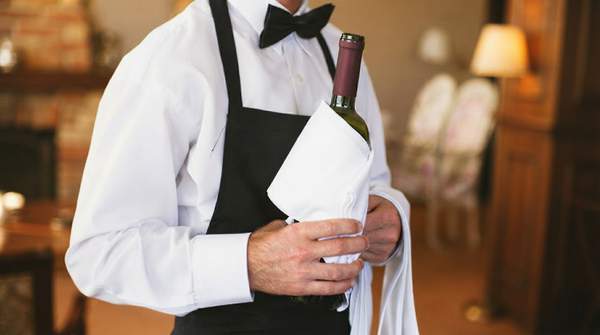
In the dining room, the sommelier's job is to close the distance between an intimidating list and an enjoyable evening. The Court of Master Sommeliers Americas describes the service craft precisely: trained in opening and decanting wine, serving it at the correct temperature, and ensuring proper glassware and presentation. The pairing recommendation is where technical knowledge meets hospitality — suggesting wines that enhance the flavors and characteristics of the dishes being served. What makes this possible, according to the Institute of Culinary Education, is sensory evaluation: understanding aroma, taste, and texture is fundamental to making accurate assessments and recommendations. Sommeliers guide guests toward selections that suit both the menu and the budget, a point the Wine International Association emphasizes as central to the restaurant role.
Communicating with Your Sommelier: A Practical Guide
For diners, the practical payoff of understanding this role is knowing what information the sommelier actually needs from you. A sommelier who knows your taste, budget, and meal can do the job they were trained for. The following steps turn that into a conversation:
- Start with your food. Tell the sommelier what you are ordering or leaning toward. Pairing recommendations are built around the dish, so this anchors everything else.
- Describe your taste in plain words. You do not need vocabulary — simple contrasts like fruity versus earthy, or light versus bold, give the sommelier a direction.
- State your budget comfortably. Point to a price on the list or name a range. Sommeliers are trained to work within it, and the Wine International Association notes that guiding guests within budget is part of the role itself.
- Reference a wine you already like. Naming a past favorite gives the sommelier a concrete sensory target to match or improve on.
Describing Your Preferences: Taste, Budget, and Food
Each of those steps deserves a little more detail, because specificity is what converts a generic recommendation into a personal one. On taste, sensory vocabulary is a shared language: the Institute of Culinary Education identifies aroma, taste, and texture as the fundamentals sommeliers themselves use, and those same dimensions work in reverse when you describe what you enjoy. On budget, do not be embarrassed to be direct — the sommelier's job includes matching selections to what a guest wants to spend, and a stated range is easier to work with than a vague reluctance.
On food, mention preparation and sauce as well as the protein, since pairings are built around the dish as served. If you cannot articulate any of this, honesty works: saying "I usually enjoy this, I'm eating that, and I'd like to stay near this price" is a complete brief.
Making the Most of Your Sommelier Interaction
Diners should proactively communicate their taste preferences, budget, and meal choices to their sommelier to receive a personalized and enjoyable wine pairing. The measure of success is concrete: a diner successfully receives a wine recommendation that aligns with their stated preferences and budget, enhancing their dining experience. The sommelier's dual role exists precisely for this exchange — the cellar work and list curation supply the raw material, and the conversation at your table is where it becomes a glass you actually want to drink. Next time you dine out, treat the sommelier as a consultant rather than a judge: give them the three inputs they need, and let the training do the rest.
Sources
- How to Become a Sommelier | Professional Career Guide — Cordonbleu
- What Does a Sommelier Do? Role & Skills — The Court of Master Sommeliers Americas
- Sommelier Career Real Paths And Skills — Wine International Association WIA
- Sommelier - Wikipedia — EN
- Wine Jobs Info: What Does a Sommelier Do? — ICE