The difference between a bright, grapefruit-like light roast and a smoky, molasses-heavy dark roast is not primarily the bean itself—it is chemistry applied over time and temperature. Two heat-driven reactions do most of the work: the Maillard reaction, which builds aroma and browning compounds, and caramelization, which converts sugars into deeper, sweeter, toastier flavors. Understanding where a coffee sits on that spectrum tells you what it will taste like, how heavy it will feel, and how to brew it.
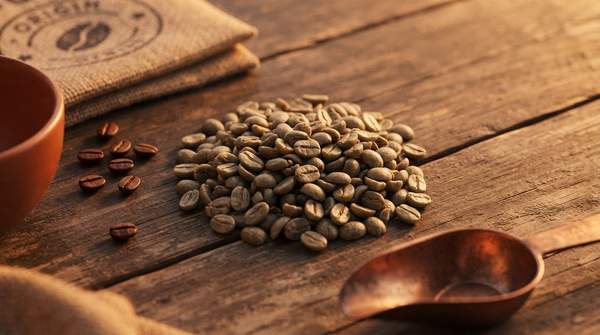
A green coffee bean already contains the raw ingredients of flavor—sugars, amino acids, oils, and organic acids shaped by soil, climate, and processing. Roasting, as Achilles Coffee Roasters explains, acts as the catalyst: heat triggers "Maillard browning, caramelization, degradation of acids, and formation of aromatic compounds," creating hundreds of new molecules within minutes. The roast level simply marks how far along that cascade the roaster chose to stop.
The Maillard Reaction: Building Complex Flavors
The Maillard reaction begins at around 150°C (302°F), while the beans are still absorbing heat, and continues through the exothermic phase of the roast. Writing for Perfect Daily Grind, coffee scientist Veronica Belchior describes it as a reaction between the beans' carbohydrates and amino acids that changes color, flavor, and even nutritional content. It is the same browning chemistry that darkens bread crusts and sears steak.
The reaction's most consequential products are melanoidins—large brown molecules that do two jobs at once. They are what physically turn the bean from pale green to brown, and they contribute directly to mouthfeel and body. Because small variations in the temperature and duration of the Maillard stage can significantly alter a coffee's final profile, this reaction is where much of a roaster's craft lives. Early in the roast, it generates the aromatic compounds that carry floral and fruity notes; pushed further, those delicate compounds give way to progressively heavier, roastier ones.
Caramelization: Developing Sweetness and Body
Caramelization is the simpler of the two reactions, but no less important to the cup. As heat rises, the sugars inside the bean break down and re-form into new compounds with caramel, toasted, and toasty-sweet characteristics. Achilles Coffee Roasters summarizes the sequence: sugars caramelize, sweetness develops, brown color forms, and aromatic compounds are created. This is the stage that turns a grassy green bean into something recognizably coffee.
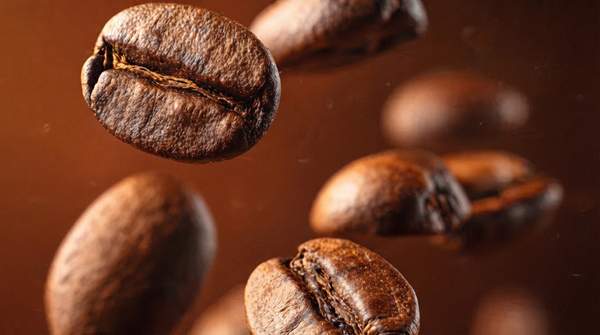
Caramelization matters for body as well as flavor. As it proceeds, cellular structure weakens and the bean's natural oils migrate toward the surface—darker roasts visibly release more oil because their cell walls have broken down further. Those oils carry aromatic compounds, enhance body, and produce crema in espresso. There is also a ceiling: pushed too far, sugars degrade entirely and sweetness collapses into carbonized bitterness. The line between "bold and sweet" and "burnt" is drawn by the same reaction.
The Roast Chemistry Explainer
The three roast levels are not arbitrary labels—they are checkpoints along the same chemical timeline. The table below maps each level to its dominant reactions and the sensory results they produce, synthesizing the reporting above.
| Roast Level | Dominant Chemical Processes | Primary Sensory Outcome |
|---|---|---|
| Light | Maillard reaction initiates; caramelization begins; most organic acids survive intact | Bright, acidic, often floral or fruity notes; lighter body; light brown color. Tart brightness like grapefruit or jasmine is typical |
| Medium | Maillard reaction peaks; caramelization develops substantially; degradation of acids underway | Balanced sweetness and warmth—caramel and chocolate notes—with fuller body and medium brown color |
| Dark | Extensive caramelization shading into carbonization; Maillard declines; sugars degrade; more surface oils released | Smoky, roasted, bittersweet flavors—molasses or toasted spices; heavy body; dark brown to nearly black surface |
The pattern to internalize: as roast level increases, acidity falls, body rises, and flavor shifts from origin-driven (what the plant and soil produced) to roast-driven (what the fire produced). Achilles Coffee Roasters notes that in dark roasts the fruity, floral, or acidic notes of lighter roasts become muted or nearly disappear, replaced by robust, smoky, bittersweet flavors. That said, the roaster's own account also observes that high-quality dark-roasted beans can still exhibit complexity beneath the roast character.
The "medium-dark" label exists precisely because this transition is gradual. Verena Street Coffee's Eric Gantz places medium roast at roughly 410–430°F before second crack, with balanced acidity and nutty, chocolate notes, while medium-dark—approaching second crack—shows toasted-sugar sweetness, reduced brightness, and fuller body. That threshold marks where roast-driven flavors begin to dominate.
Brewing for Optimal Flavor: A Practical Guide
Chemistry created the flavors; extraction decides whether they reach your cup. Achilles Coffee Roasters makes the key point plainly: proper extraction during brewing allows the dissolved sugars in the coffee to balance its acidity and bitterness. Under-extract, and the bright acids of a light roast turn sour; the goal is to dissolve enough of what the roast produced that sweetness, acidity, and bitterness sit in proportion.
Roast level should shape your technique. Dark roasts are more soluble and more forgiving of aggressive extraction, and their bitterness can be managed by avoiding pushing the brew further. Light roasts, dense with preserved organic acids and lighter-bodied compounds, punish under-extraction—impatience here is what produces the sour, thin cups many people wrongly blame on the beans.
Body, meanwhile, is partly a filter decision. The oils released by darker roasts contribute mouthfeel and carry aromatics, but a paper filter traps many of them, producing a cleaner cup, while a metal filter lets them through for heavier body. If you enjoy the weighty, oily character of a dark roast, brew with a metal filter or espresso setup; if you prefer clarity, paper is your ally regardless of roast.
Choosing Your Roast: A Flavor Decision
You can select coffee roasts based on the balance of chemistry you enjoy, and adjust your brewing to extract it well. If you want origin character—florals, fruit, tart brightness—choose a light roast and brew with enough care to dissolve its delicate acids. If you want caramel sweetness, chocolate, and balanced body, medium is the harmonious middle. If you want smoke, molasses, and weight, go dark and let the oils through.
The measurable test: can you identify the dominant flavor signature in front of you—bright acidity, caramel sweetness, or smoky bitterness—and name the chemistry behind it? A light roast should show its acidity, a medium its caramel warmth, a dark its roast-driven boldness. When you can taste that progression and adjust your extraction to match, you are no longer buying coffee by label; you are buying it by understanding.
Sources
- The Chemistry of Coffee Flavor: How Science Shapes Every Sip – Achilles Coffee Roasters — Achillescoffeeroasters
- What Happens During Coffee Roasting: The Chemical Changes — Perfect Daily Grind
- How Roast Profiles Influence Coffee Flavor: Light vs. Medium vs. Dark – Achilles Coffee Roasters — Achillescoffeeroasters
- Coffee Roast Levels Chart & Flavor Guide — Verena Street Coffee Co.