A garnish is not decoration that happens to be edible; it is a working ingredient with a specific job. The four essential categories—citrus, herbs, savory picks like olives and onions, and salted or sugared rims—each contribute differently across aroma, flavor, and appearance, and each demands its own preparation. Understanding those differences is what lets a home mixologist choose deliberately rather than by habit.
Citrus Garnishes: Brightness and Zest
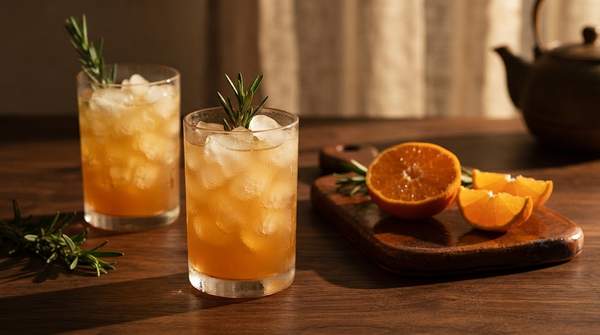
Citrus is the backbone of cocktail garnishing, and it earns that status by working on all three sensory fronts at once: expressed oils add aroma, the fruit adds flavor, and wheels and wedges add color and shape to the glass. A twist, a wheel, and a wedge are not interchangeable, though. Twists and peels suit spirit-forward drinks where aroma matters more than juice, while wheels and wedges sit on the rim or in the drink, contributing juice and visual weight.
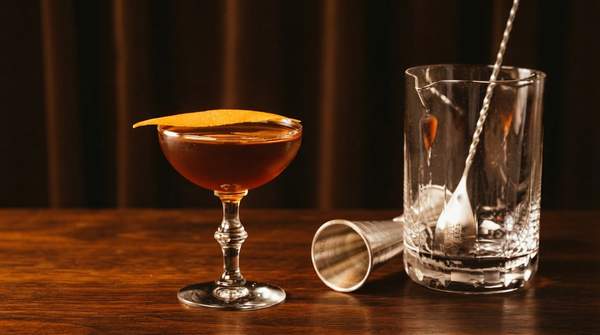
The reason citrus pairs so naturally with brown spirits is that its oils lift notes already present rather than adding new ones. In whiskey-based drinks, orange oils highlight vanilla, caramel, and oak without adding acidity or diluting the mixture—keeping the base spirit in focus. Bartender Natasha David makes the case even more forcefully, noting that an Old Fashioned without an expressed lemon and orange twist is one she does not want to drink, and that the beautifully bitter oils in any citrus peel add a crucial dimension.
Preparation starts at selection: seek out fruit with a smooth, blemish-free peel, since the peel is the delivery vehicle for those oils. From there, the choice of cut follows the drink—twist for aroma, wheel or wedge for presence and a touch of juice.